
Inspection that looks beyond the visible spot
We check surrounding building materials, adjacent rooms, and likely moisture pathways so remediation matches the real extent, not just what you can see on the surface.
Serving Salem, Oregon & surrounding areas
24/7 Emergency Response
Mold Remediation • Salem, Oregon
If you smell mustiness, see staining, or have had a leak, we inspect, contain, remove, and clean mold safely so the space can be used again with clear documentation of what was done.
✓ Skip the 3-hour Google rabbit hole — we’ve already done the vetting
✓ One conversation, not ten voicemails and seven web forms
✓ 24/7 emergency response — talk to a real person who actually knows Salem
A real person answers - 24/7 Emergency Response
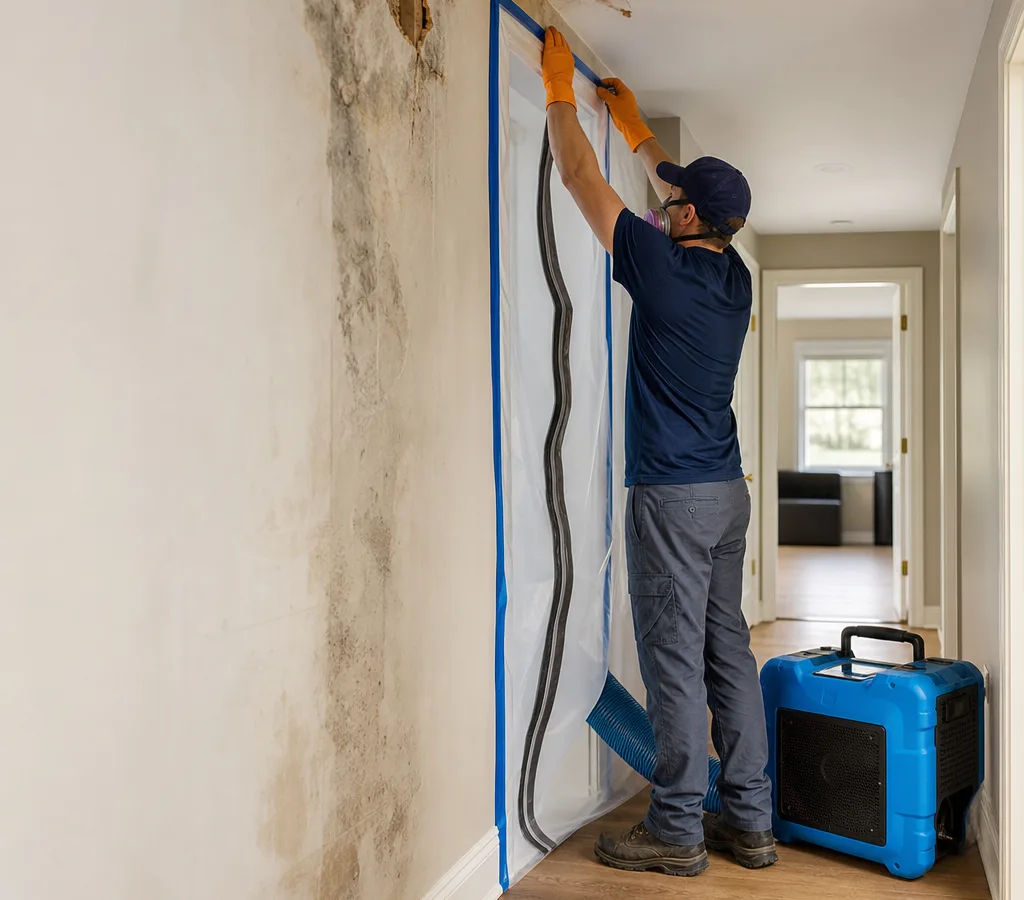
Source-Focused Cleanup
When people search for mold remediation Salem Oregon, they usually want two things: the mold removed correctly and a straight answer about why it showed up. Mold is a moisture problem first. If the water source is not identified and addressed—a slow plumbing leak, a roof or drip-edge issue, a damp crawlspace, or poor bathroom ventilation—the staining can come back even after a surface wipe-down.
Our team at Water Damage Restoration Salem Oregon provides Salem mold remediation for homes and small commercial spaces. We focus on safe containment, careful removal of affected materials when needed, and detailed cleaning with HEPA filtration so spores are not spread through the building.
In the Salem area, mold concerns commonly follow winter rain, plumbing leaks that go unnoticed inside walls, and damp conditions in crawlspaces and basements. We work throughout Salem and nearby communities in Marion County and Polk County with an approach that fits the building, the occupants, and the extent of growth.
Professional Remediation Scope
We check surrounding building materials, adjacent rooms, and likely moisture pathways so remediation matches the real extent, not just what you can see on the surface.
We isolate the work area with plastic sheeting and maintain negative air when appropriate, so disturbed spores stay in the contained zone instead of moving through the home.
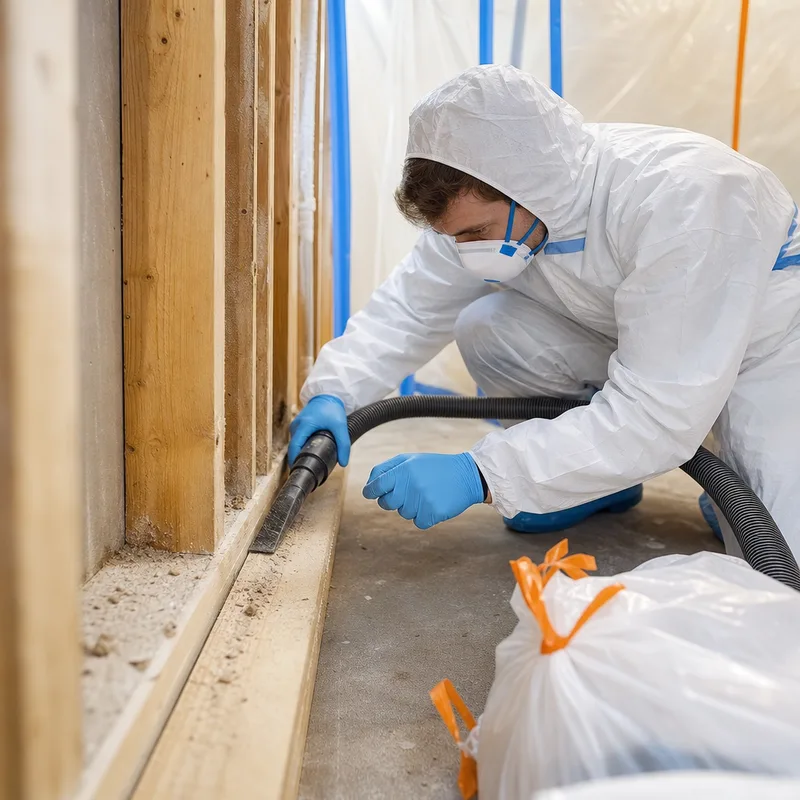
HEPA filtration is used during and after removal and cleaning to capture airborne particulates. Final cleaning focuses on surfaces, dust reservoirs, and the edges of the affected area.
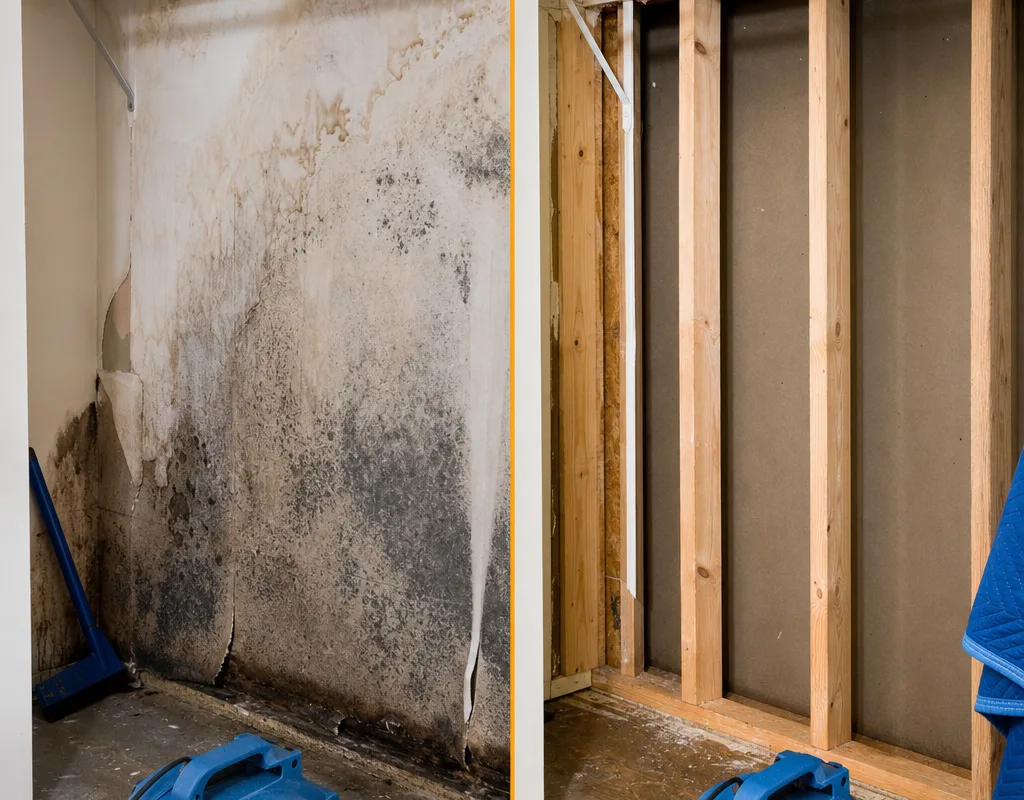
Drywall, insulation, carpet pad, and other porous materials may need to be removed when growth has penetrated them. We explain what must come out and why.
After cleanup, we outline practical steps to keep humidity and wetting under control, such as ventilation improvements, targeted repairs, and monitoring.
You get a written plan that spells out containment, affected areas, what is being removed versus cleaned, and what the finished condition will be.
Contained On-Site Process
Every building is different, but the workflow stays consistent because it is built around safety and verification.
We identify likely moisture sources and determine what materials are affected. Musty odor patterns, discoloration, and elevated moisture readings help define the boundaries.
We set up a contained work zone using plastic barriers and a controlled entry. Where conditions call for it, we run negative air with HEPA filtration to keep particles from migrating.
We remove unsalvageable porous materials, then clean remaining framing and surfaces using methods appropriate for the material, including careful abrasion, HEPA vacuuming, and damp wiping. We do not treat the project as a paint-over.
Drying and dehumidification are used as needed so materials reach a stable condition. We also review the work area for dust, debris, and remaining staining so the space is ready for repairs or re-occupancy.
If you are dealing with a related moisture event at the same time, an overall plan for water damage restoration can help coordinate drying, removal decisions, and timing so you are not paying to do the same work twice.
📞 Salem • 24/7 Response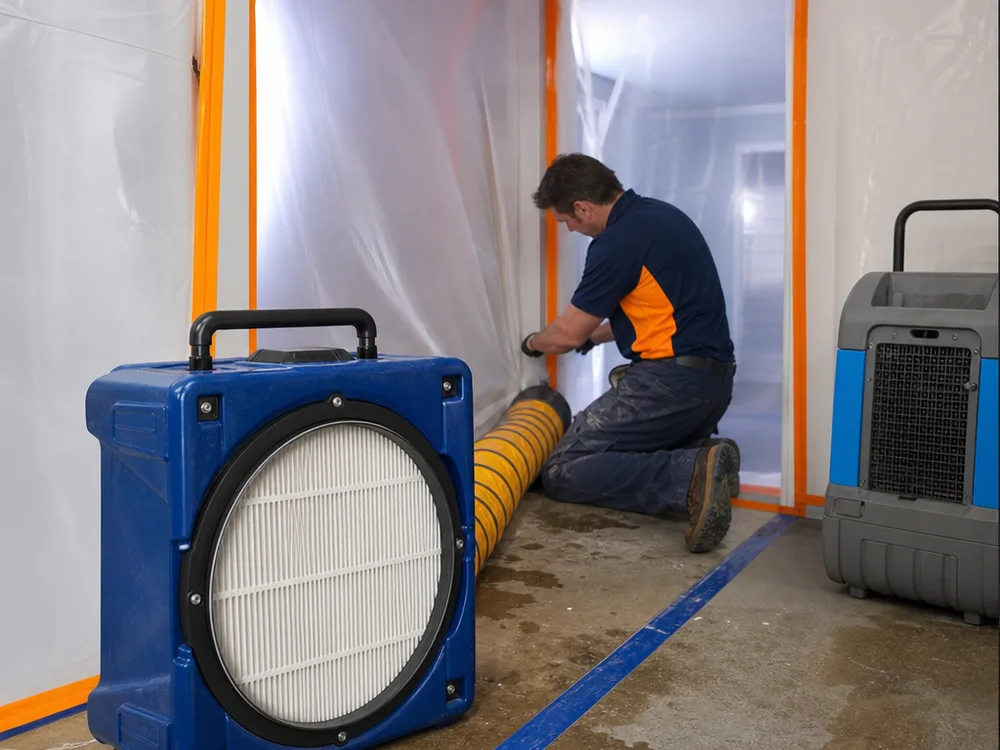
Planning the Scope
Mold remediation in Salem typically ranges from about $1,000 to $3,500 for a small, contained area, while larger multi-room or crawlspace projects often run $4,000 to $12,000+ depending on the extent and how much material must be removed. Cost changes most with the size of the affected area, how far growth extends behind finishes, access such as an attic or crawlspace, containment complexity, and whether drywall, insulation, or flooring must be replaced. The exact cost is confirmed after an on-site inspection and a written scope.
📞 Salem • 24/7 ResponseControlled Work Areas
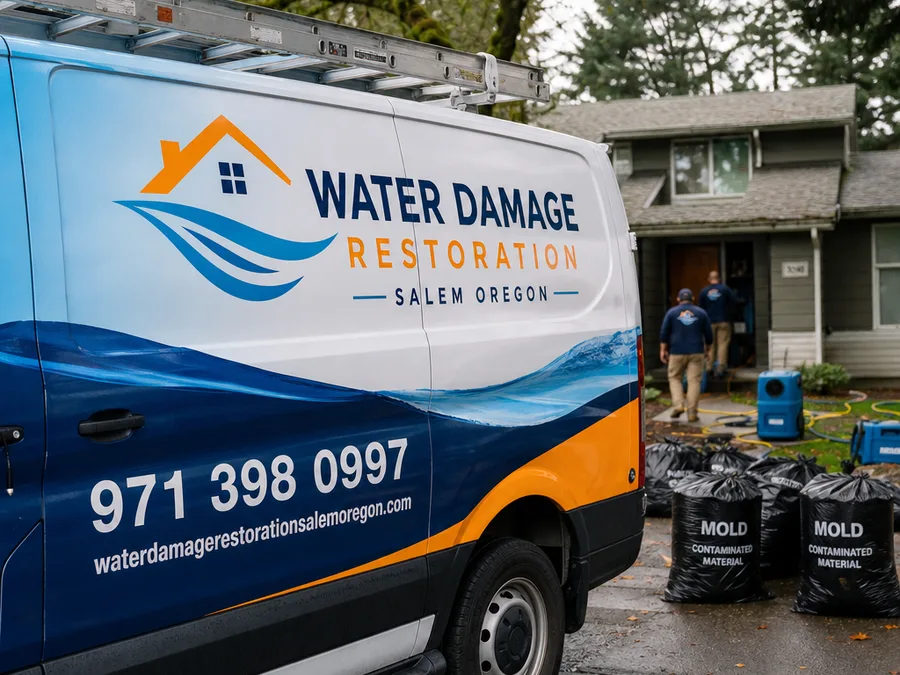
Moisture-Prone Areas
Visible spotting is often the end of the story you can see. During mold remediation, we pay attention to the places that commonly trap moisture.
Bathrooms and laundry areas: Under-sink leaks, failed caulking at tubs and showers, and weak exhaust fans can keep humidity high. If a fan vents into an attic instead of outdoors, moisture can accumulate and lead to growth on sheathing.
Crawlspaces: Soil moisture and poor ventilation can keep wood damp. We look for standing water, wet insulation, and condensation signs on ducting.
Kitchens: Slow leaks at supply lines, dishwashers, and sink bases can soak cabinets and the wall behind them.
Attics and roof transitions: Past roof leaks can leave staining that becomes a mold issue when humidity stays elevated.
We also talk through occupant sensitivities, pets, and how the space is used. That helps decide containment level, scheduling, and whether partial occupancy is realistic while work is in progress.
📞 Salem • 24/7 ResponseHomeowner Experiences
“We had a musty smell that kept coming back after we cleaned the surface. The inspection found damp drywall behind the baseboard. The containment was tidy, the cleanup was thorough, and we got a clear scope of what was removed and what was cleaned.”
“They explained what could stay and what had to be cut out, and why. The air scrubber and plastic barriers made a big difference because we were still living in the house during the work.”
Common Questions
Yes, many projects can be completed with occupants in place as long as the work area can be contained and pathways are controlled. We set up barriers and, when appropriate, negative air with HEPA filtration to keep dust and spores from spreading. If the affected area involves a main hallway, HVAC return, or multiple rooms, we will discuss temporary room closures and scheduling to reduce disruption.
Small, contained projects are often completed in 1 to 2 days, while larger remediation involving multiple rooms, heavy demolition, or crawlspace access can take several days. Drying time is a major variable because materials need to reach a stable moisture condition before the job is considered complete. After inspection, we give a realistic timeline tied to your specific conditions.
Sampling can be useful in some situations, but many remediation decisions are based on visible growth, moisture conditions, and affected material types. If testing is desired, it should answer a specific question, such as confirming a suspected hidden source or establishing a pre- and post-remediation baseline. We can talk through whether sampling helps your situation before adding cost and complexity.
Clear personal items from the immediate work zone, keep pets away from the area, and plan for limited access to rooms that may be contained off. Avoid running fans that blow directly across visible mold because that can move spores into other areas. If you have had a recent leak, note when it happened and what was already done so the inspection starts with accurate context.
Yes, when porous materials are contaminated or water-damaged beyond salvage, they are removed and disposed of as part of the remediation scope. We bag and contain debris while it is moved through the building to limit dust and cross-contamination. The written scope will specify what is being removed versus cleaned so you can plan for any rebuild work.
Mold growth is driven by moisture and available organic material, not housekeeping. Drywall paper, wood framing, dust, and insulation can support growth when they stay damp long enough. In Salem's wet season, a small, persistent leak or poor ventilation can maintain the moisture level mold needs, even in an otherwise well-kept home.
A Clear Next Step
Tell us what you are seeing—odor, staining, a recent leak, or a damp crawlspace—and we will schedule an inspection, define the affected area, and provide a written scope for mold remediation in Salem.